
"Guys, Let's Talk!" – what does it mean to be a man in Poland today?
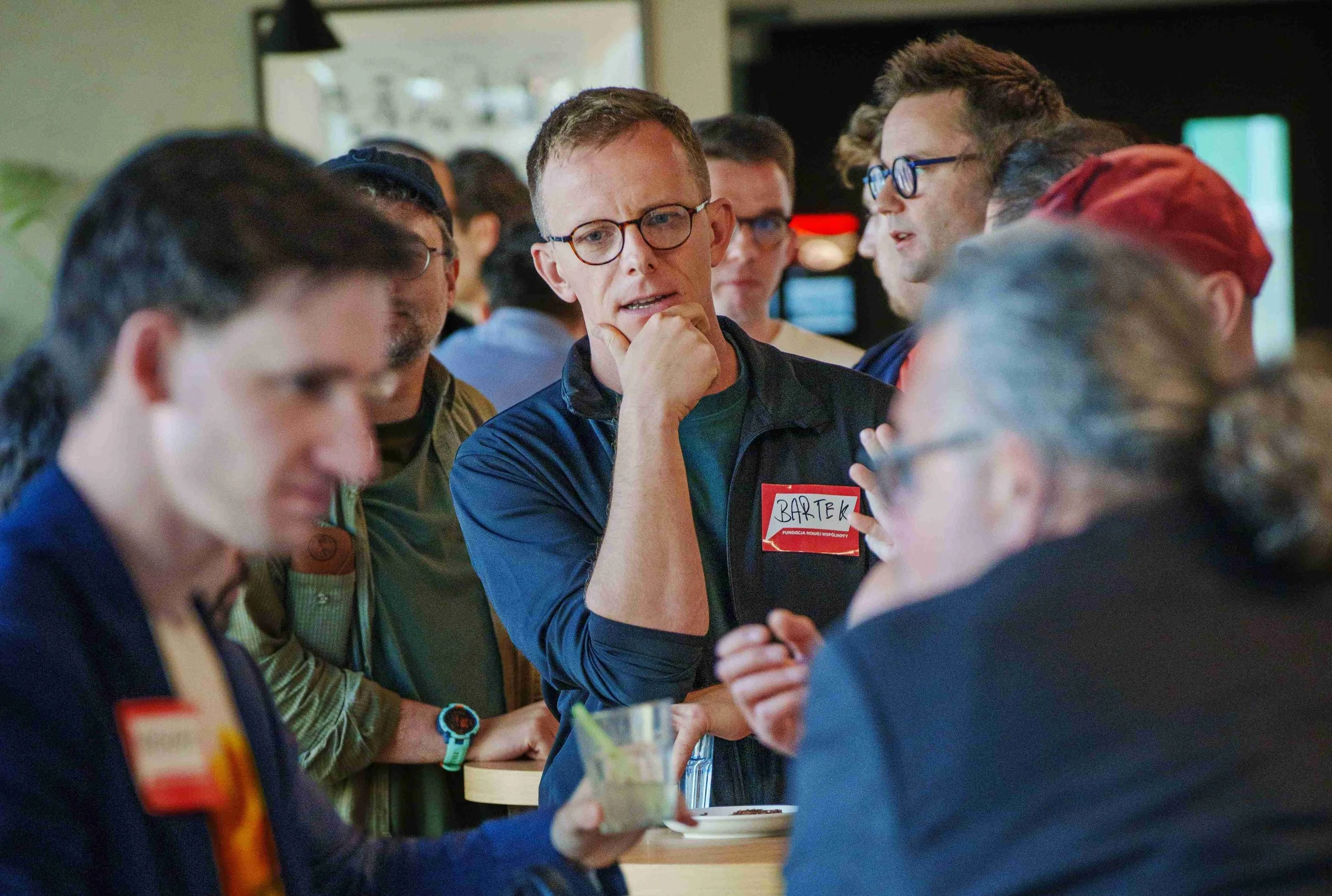
The New Community Foundation (NCF) is a Polish non-profit that works to reduce polarization and rebuild civic community, mostly through dialogue programs that bring people with opposing views into the same room. Our newest program turned that method on a group that is often talked about but seldom asked what it actually thinks: men.
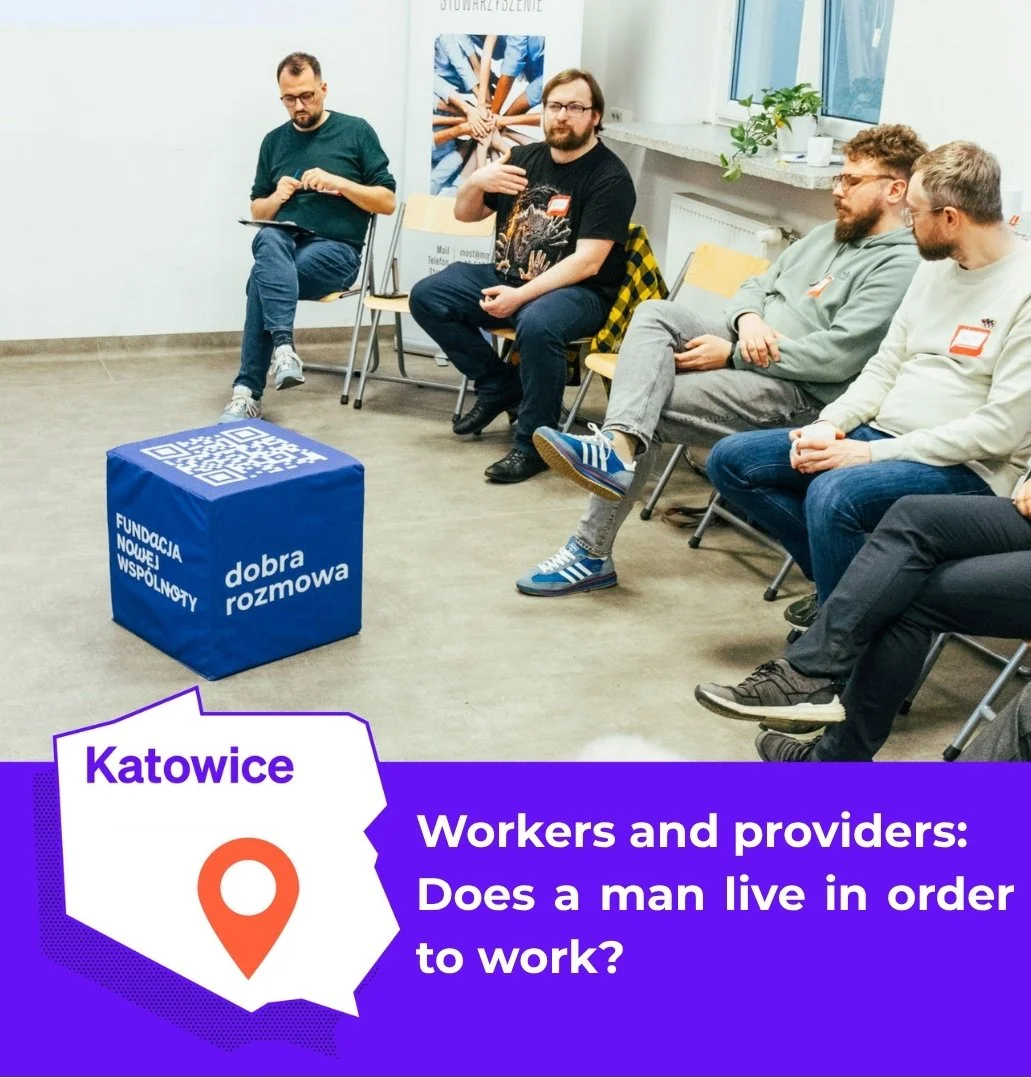
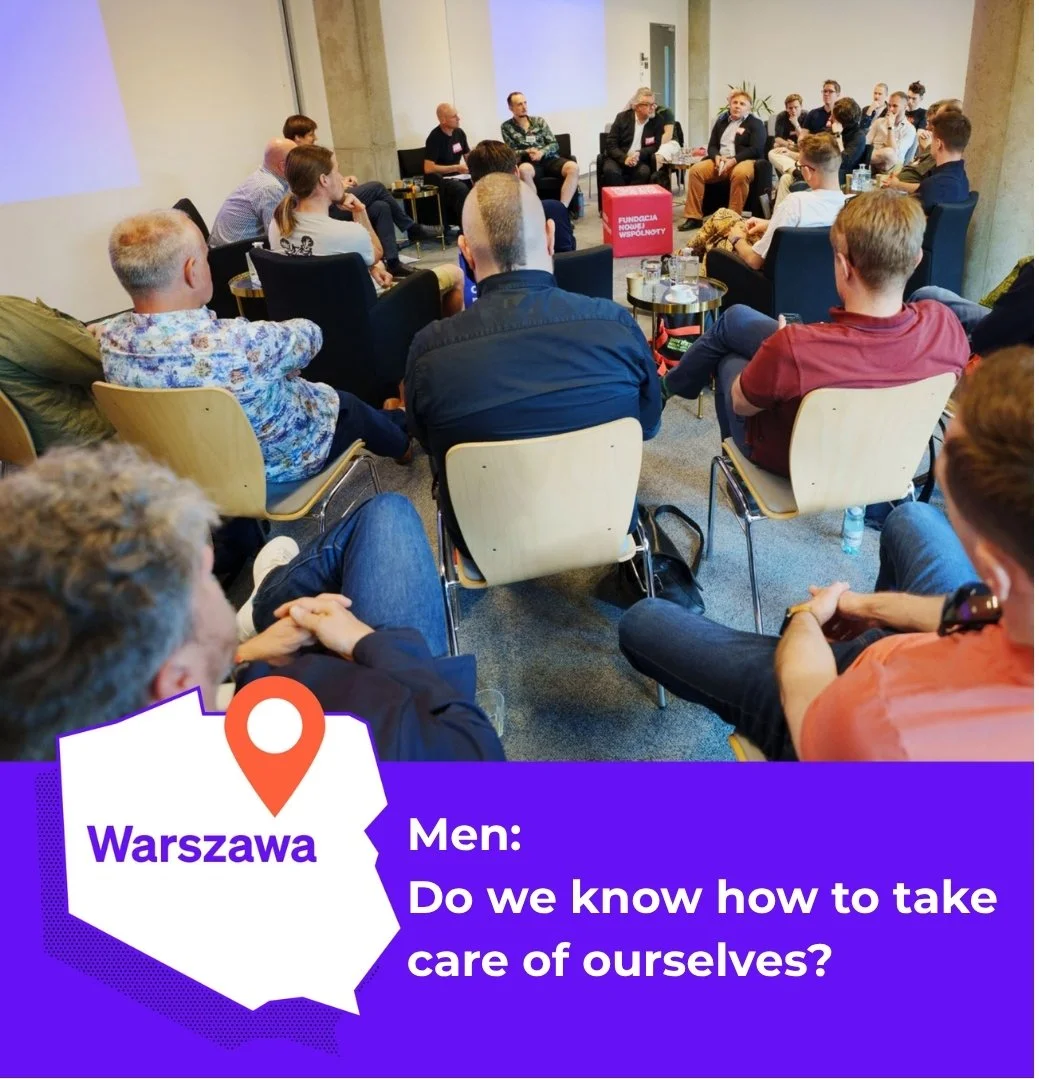
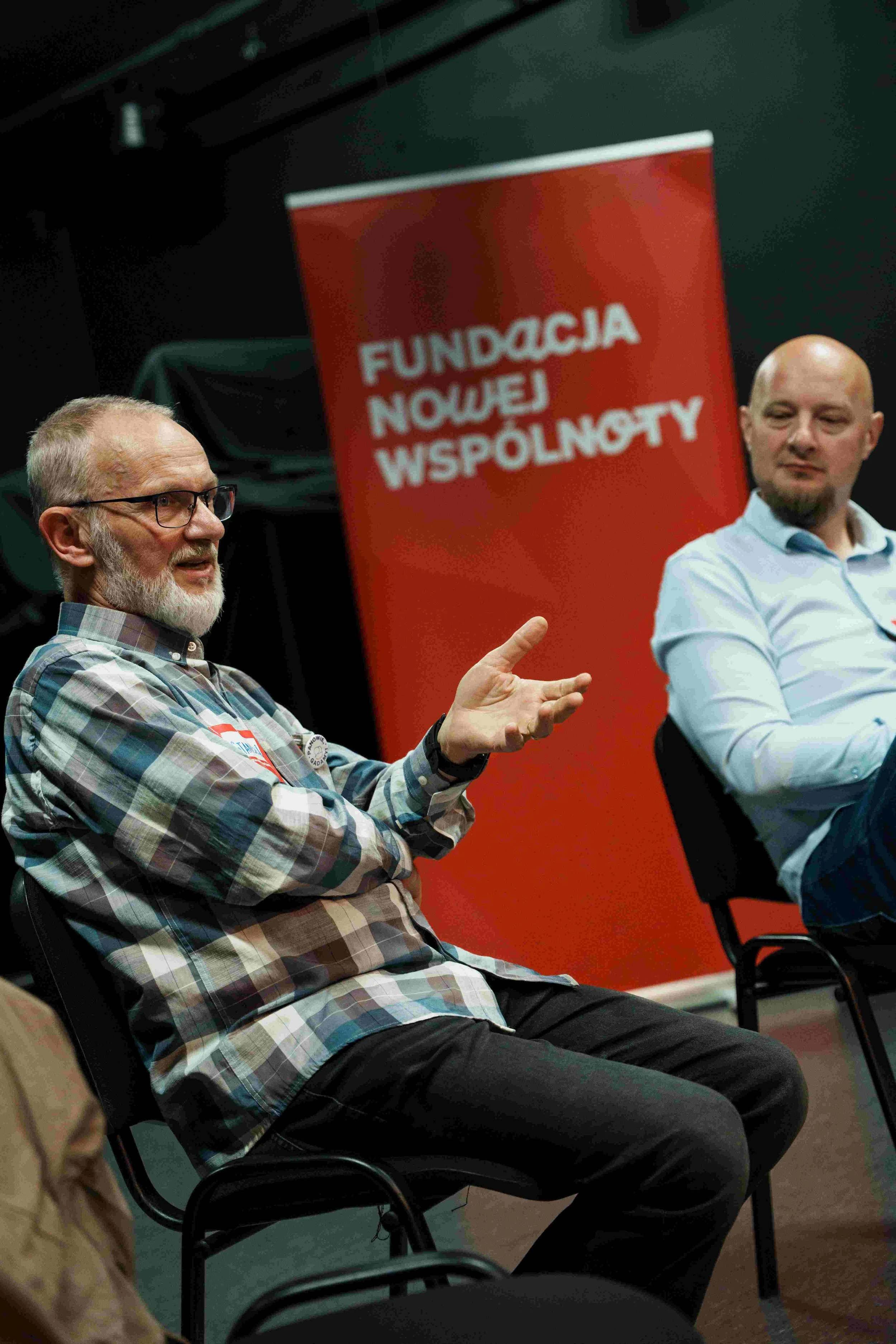
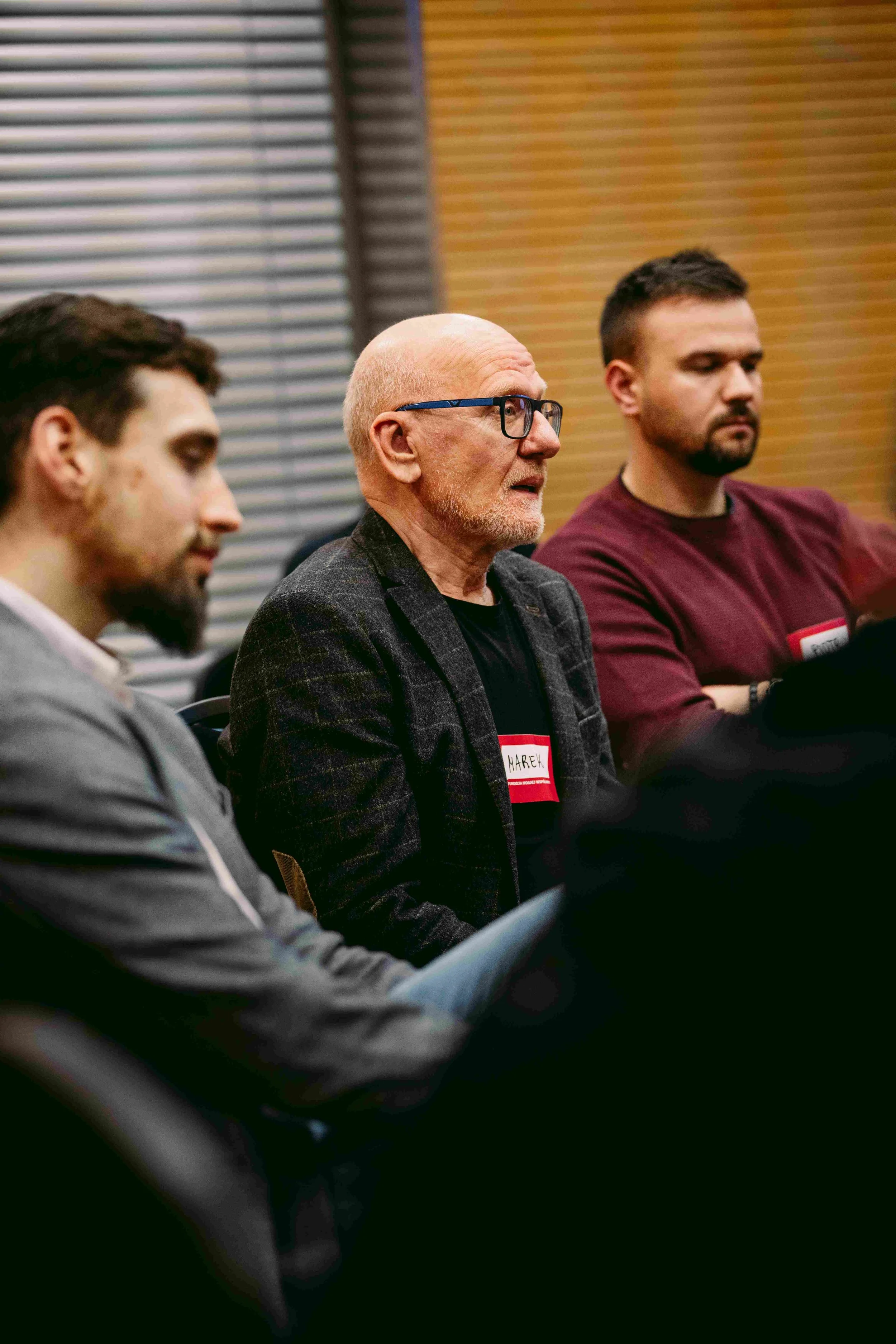
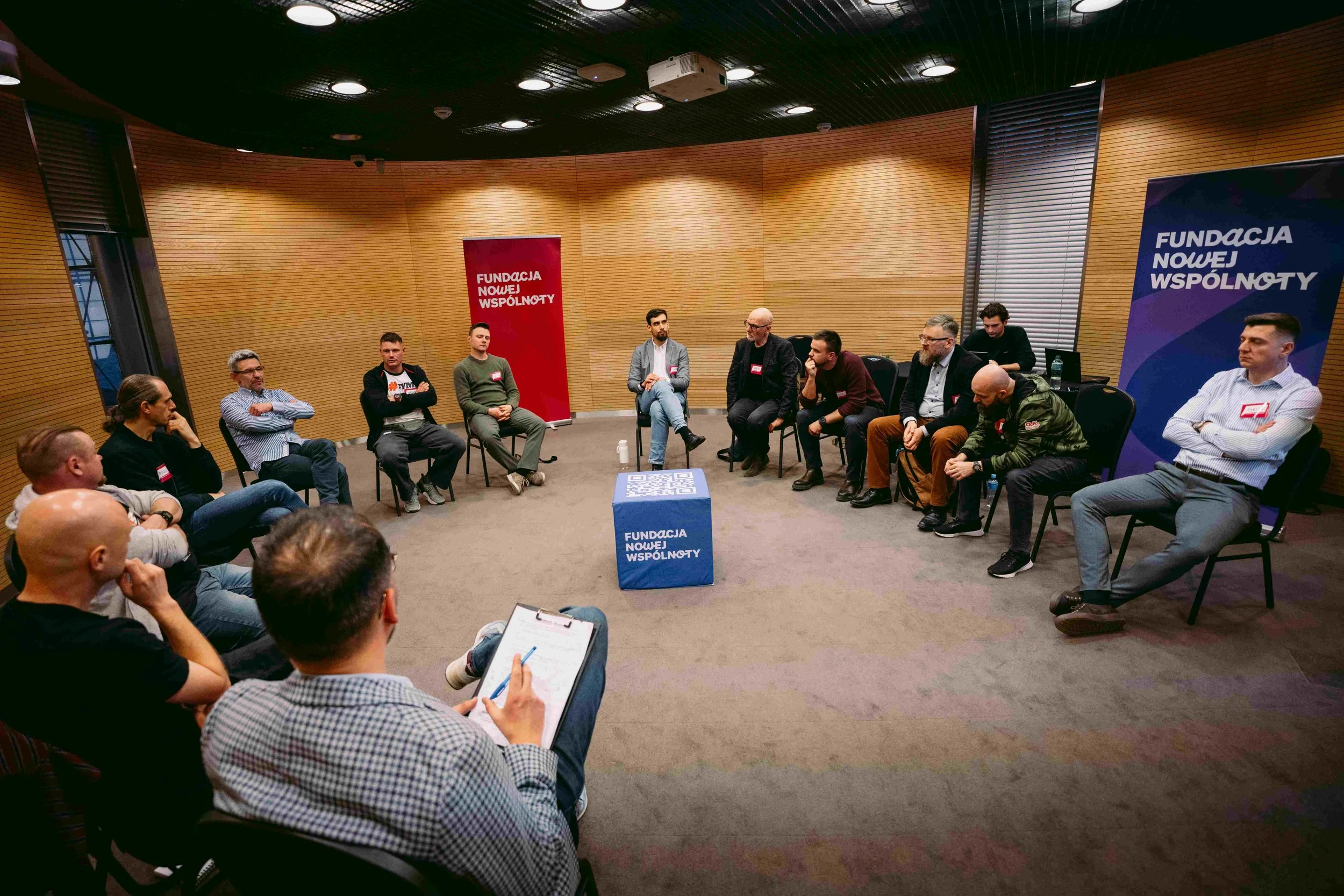
"Guys, Let’s Talk!" ("Panowie, gadamy!"), run together with the PZU Foundation – the philanthropic arm of Poland's largest insurer – brought more than 200 men from across the country into conversation. They came from different generations, regions, and political camps. Between March and June 2026 we held five dialogues, each in a different city and each built around a different role: fathers and sons in Lublin, employees and family providers in Katowice, the "tough guys" and defenders in Rzeszów, husbands and partners in Gdańsk, and – finally, in Warsaw – on whether men know how to look after themselves.




Why men, why now?
The starting point was simple. In recent years a great deal has been said about men – about a crisis of masculinity, patriarchy, incels and other troubling trends extrapolated to describe the gender as a whole – but rarely has the conversation been between men themselves. Unlike women, who have spent decades building their own organizations and fora, men in Poland have few places to talk about their identity, their shifting roles and changing expectations placed on them.
"In recent years, a lot has been said about men without their participation," says the NCF founding director Wawrzyniec Smoczyński. "In this report we hand the microphone back to men themselves. It's their own account – self-critical, sometimes bitter, but above all authentic." Alongside the city dialogues we ran five online Conversation Workshops for Men – practical sessions on how to talk with children, partners, parents, and co-workers.
What the men told us
The clearest thread is that men feel their own social position shifting. Some welcome the move toward greater equality, others find it harder to navigate – but none want to turn the clock back. The old, collective model of masculinity now carries too much baggage, so each man is left assembling a definition of his own.
That freedom comes with unease. Equality and emancipation still make many men wary: they say they are drawn to strong, independent women, yet often still picture them first as the ones who will keep the home and raise the children. Emotional openness runs into the same caution – men are readier than before to say how they feel, but many treat showing weakness as a risk, reluctant to hand anyone a "loaded weapon" to use against them later.
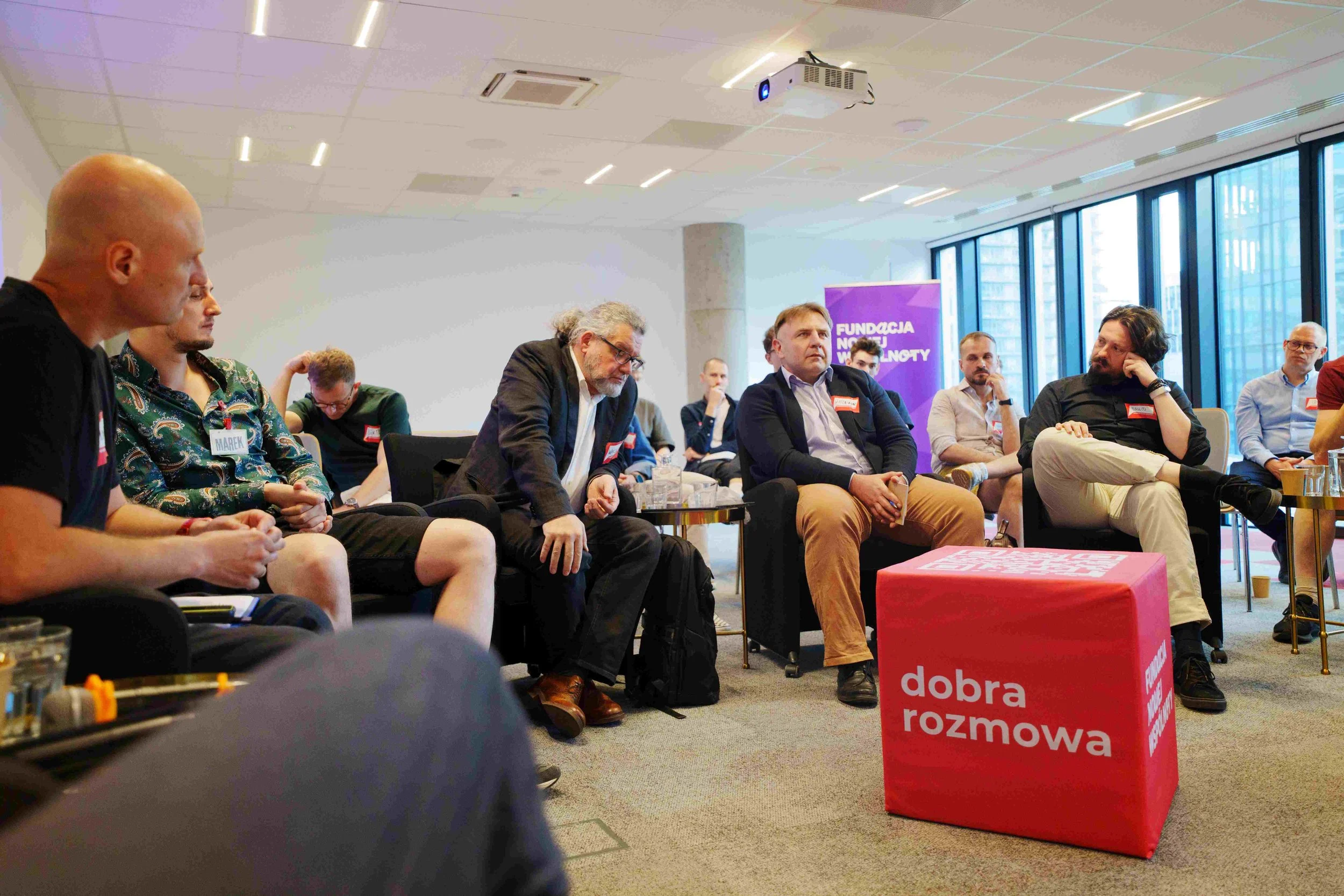
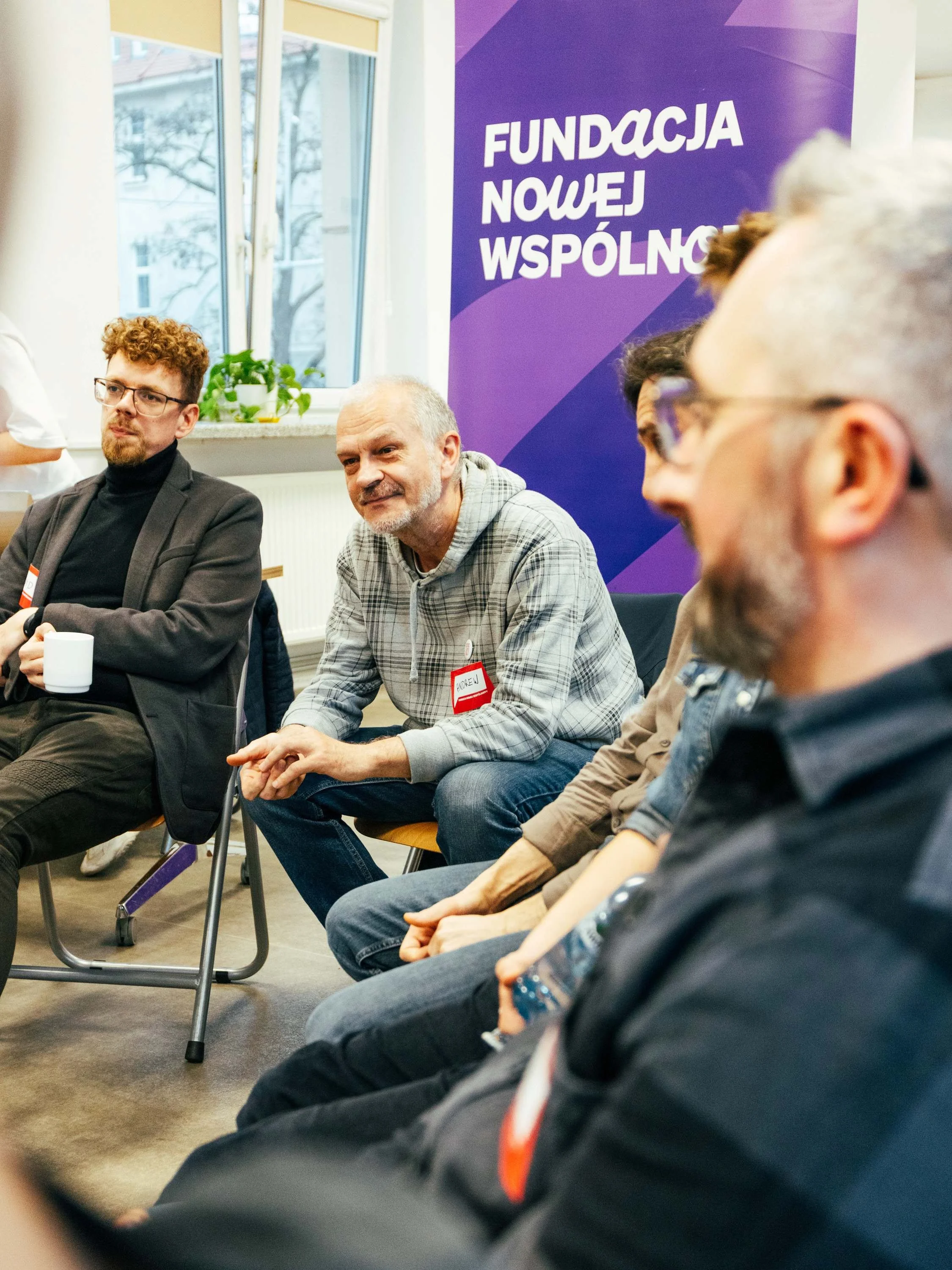
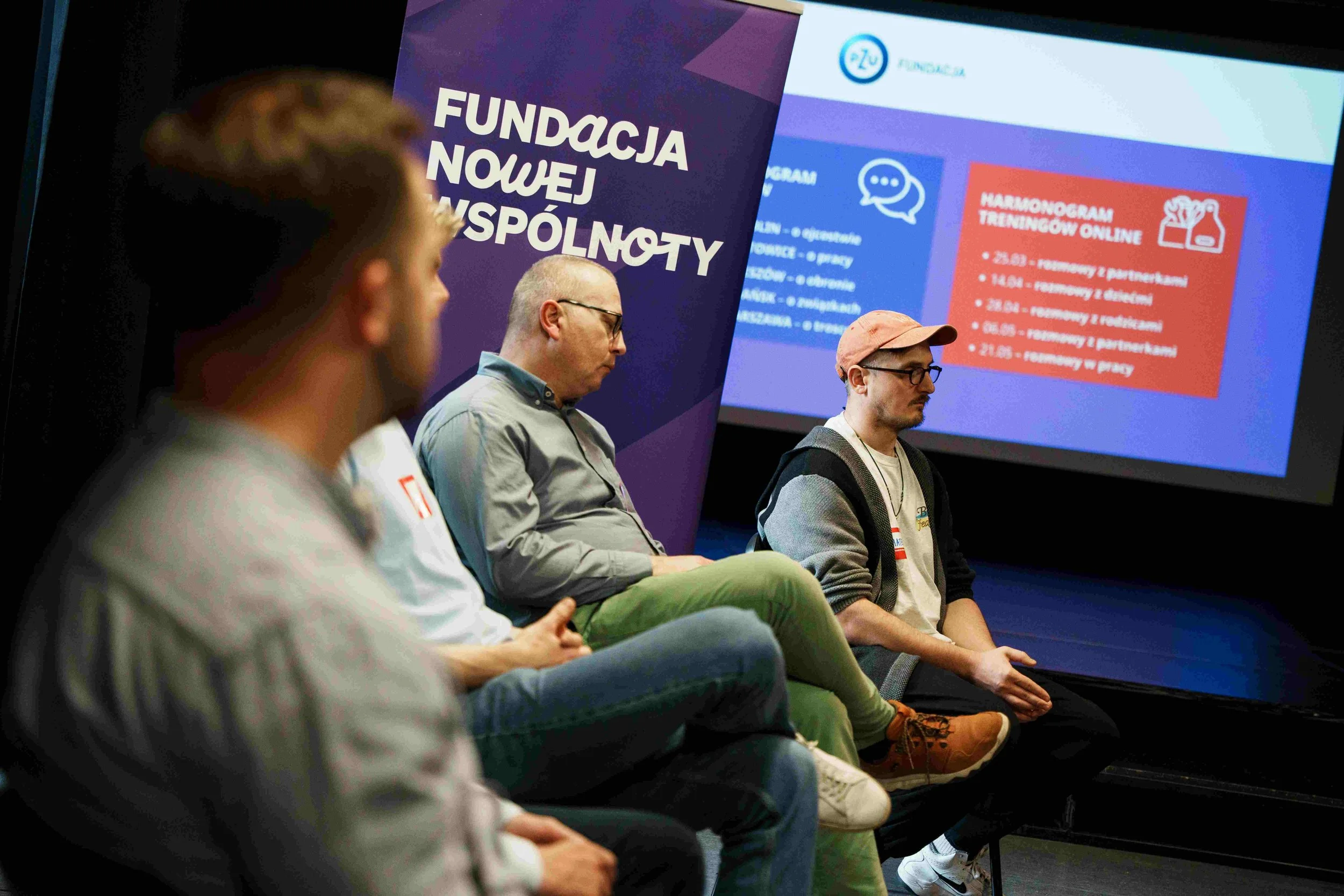
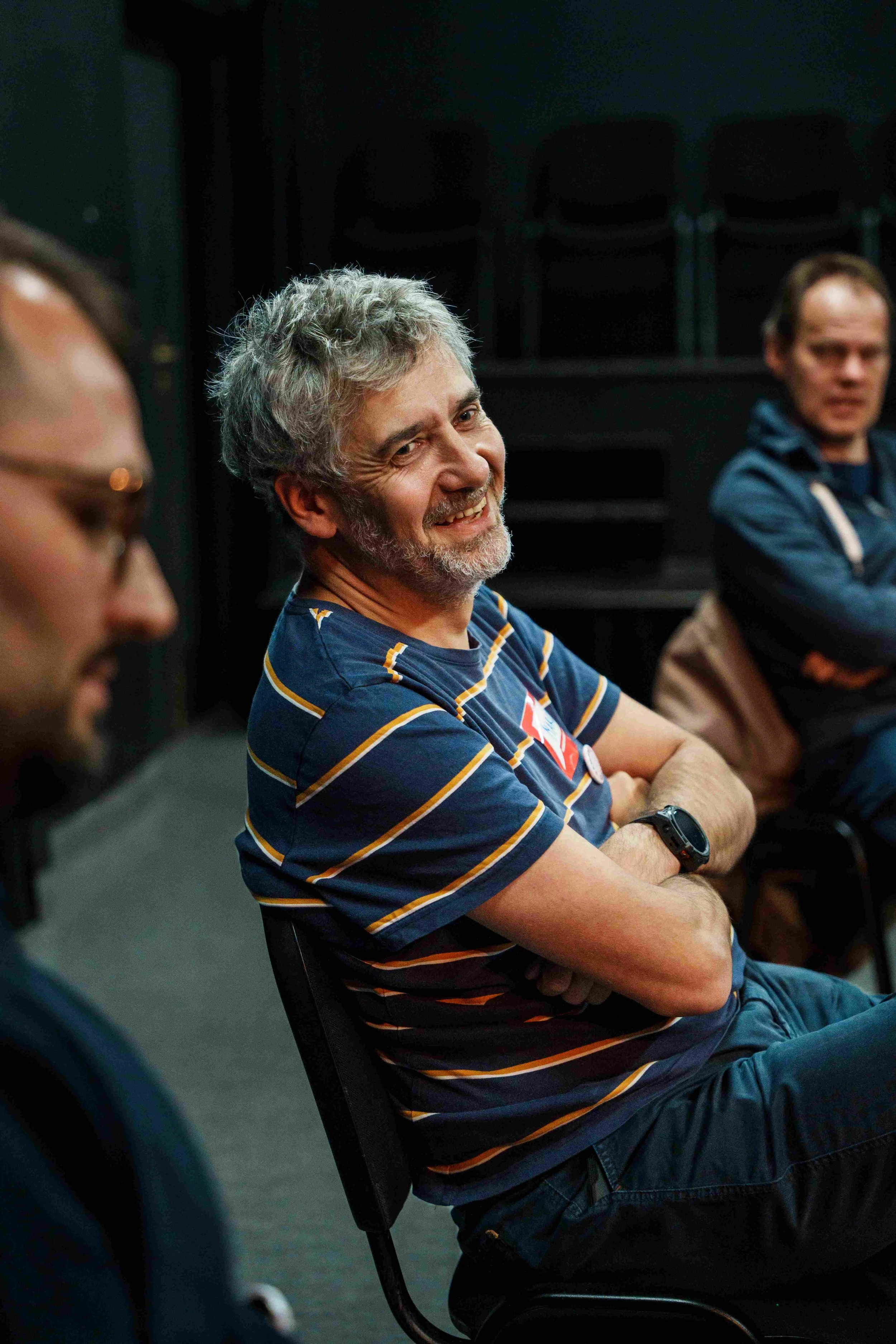
They also feel caught between two eras at once. Social change tells them to be "less strength, more heart"; geopolitics, with Russia's war just across the border, tells them to "get ready for war." Few generations of Polish men have been asked to soften and to steel themselves at the same time.
Three findings sit closest to everyday life. Work is still a second identity: men rank themselves by what they do and what they earn – partly because they feel women still measure them the same way. Fatherhood is a source of quiet frustration: many feel underestimated as parents, meeting doubts about their competence from their partners, from their partners' mothers, and from their own. And the youngest men carry a particular loneliness – they face more rejection than interest from women, and describe dating itself as a string of "job interviews."
The report & conversation cards
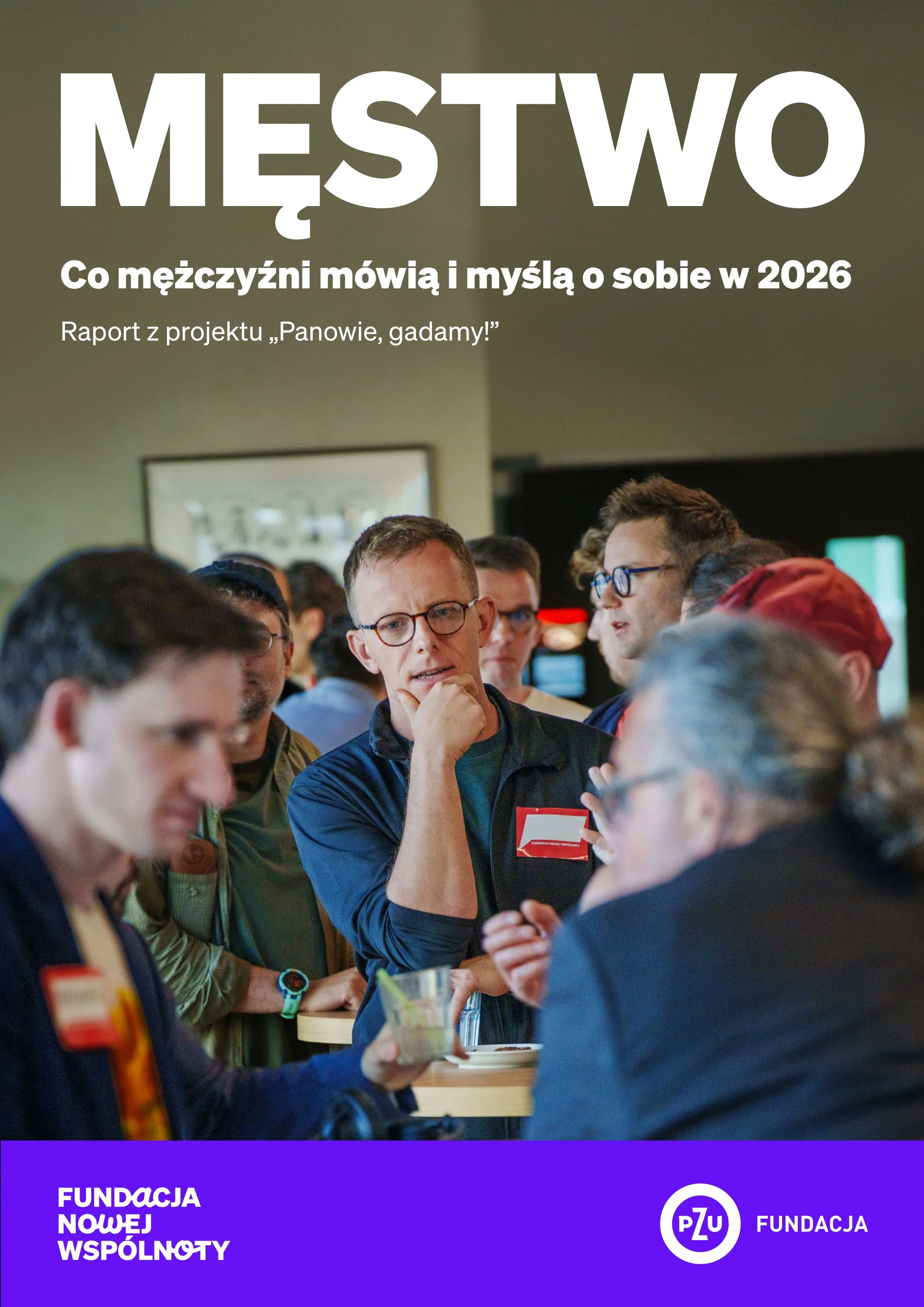
The key findings are drawn from the project report, titled "Manhood" ("Męstwo"). Published on Father's Day, 23 June 2026, it recounts the five conversations held across Poland and sketches a shared male identity from the experiences of its 93 participants.
The dialogues also came with evidence that the format itself works. 77% of participants said they better understood other people's experiences, beliefs, and feelings after the dialogue, and 72% felt readier to cooperate across differences.
The "crisis of masculinity" is debated across much of the Western world – almost always about men rather than among them. This project created a forum for them to talk about their identity in changing times. Our clearest finding is that they gain the most insight from one another: among themselves, the exchange is free of the expectations and the gender conflict that play out in wider society. The transferable lesson is that before men can talk productively about equality with everyone else, they first need to self-define their group identity, interests and positions.
The full "Manhood" report and summaries of each dialogue are available on our Polish-language site
